top.gif
Intercept Technology Information Briefing

Intercept TechnologyTM Information Briefing


            Intercept TechnologyTM packaging is the most advanced packaging system invented because of its multiple capabilities, comprehensive protection, performance, cleanliness, safety, simplicity, and design flexibility.  Intercept is a disruptive technology, which can provide process improvement from the manufacturing floor to the end-user.  It will save you money, time, and worry.


            Intercept Technology resin was invented by Lucent Technologies Bell Labs Innovation to prevent the spread of corrosion and electro-static discharge damage. Intercept has proven so effective that reactive polymer now is the only Corrosion, Moisture Barrier, and ESD Protective Packaging system certified by use for Lucent’s 1st, 2nd, and 3rd tier suppliers (Lucent Spec X-21386 https://scportal.lucent.com/pls/portal30/docs/FOLDER/DOC_CONTENTS/PKG_LABEL/X21386I1.PDF. Intercept Technology resin incorporates a high surface area reactive copper into the plastic polymer backbone. The copper will not come out of the plastic, as verified by Rolls Royce PLC in its acid extraction test. In fact, the copper is so inextricably bound in the Intercept resin, it is RoHS Compliant. Intercept works by scavenging the corrosive gases (such as but not limited to ozone, hydrogen sulfide, carbonyl sulfide, hydrogen chloride, sulfur dioxide) within the packaging envelope that cause corrosion and by preventing more corrosive gases from penetrating the plastic. Intercept also protects articles from the corrosive gases (formic acid, acetic acid, and aldehydes) released by wood crating, corrugate, laminates, adhesives, and other packaging materials. Thus Intercept now is being specified as a wood crate inside liner to protect articles stored within. Further, most forms of Intercept are reusable – items can be removed from and put into an Intercept bag a considerable number of times generally limited only by the mechanical strength of the container, or until the Intercept resin is used up (turns from dark brown to black). Under normal atmospheric conditions Intercept will protect for 10 years per mil of resin; and US Army testing verifies that Intercept works even if not perfectly sealed. Intercept Technology can protect multi-metals, vehicles, aircraft, ships, missiles, weapons, ammunition, electronics, optics, computer hard drives, precision parts, rubber and silicon products, fabrics, coatings, plastics, and more. Intercept Technology is NASA space flight certified; and cleaner than clean room paper. For shelf-life protection, Lucent Technologies has tested Intercept for ozone elimination and has calculated a minimum 15 years of protection, under normal atmospheric conditions, per mil of resin. Intercept does not off-gas and can not contaminate the surface of items, nor can it subject workers or customers to chemical fumes. Intercept is NOT a VCI. Intercept Technology packaging provides very long-term protection in any humidity and in any typical shipping and storage environment, without causing potential for equipment damage. 


           Because of the copper in the resin, Intercept also provides passive mold/mildew protection upon contact with the resin.  The US Army’s TACOM/ARDEC certified Intercept as a replacement for MIL-B-131 foil in many applications and claims Intercept works as well or better than MIL-B-131 and VCI in preventing corrosion but without the hazards, and its Static Intercept Foil dramatically outperformed the MIL-B-131 foil.  And you need not worry about copper shedding from the Intercept resin because testing shows resin/copper particle shedding is significantly below the EPA threshold of 0.1 mg/m3


            Intercept Technology ESD properties are relevant for ESD sensitive electronics particularly when one considers the high energy environment many items are stored, shipped, used, and repackaged.  Even the new high energy equipment environment threatens traditionally packaged electronics. TRW, funded by the USAF, (Table 7 of the website report at http://www.shrinkwrapping.com/pdfs/ESD%20Cleanroom%20Material%20Comparison%20by%20TRW.pdf ) studied a number of ESD protective barrier materials for clean room environments.  The results were astounding because Intercept outperformed every other product in all the static dissipitative tests and in one test, because Intercept is completely non-humidity dependent, Intercept beat the next closest product by over 20,000 fold.


             And while Intercept protects against ESD damage, preliminary testing shows non-foil Intercept packaging allows passage of RFID signals at all frequencies.  Foil doesn’t allow RFID signal penetration.  This is significant to DOD and industry because Intercept packaging can replace MIL-B-131J foil while allowing RFID implementation.


Intercept Technology testing reports and presentations. Some of the standards Intercept meets include:


·        DEF-STAN 81-41 – English MoD Defence Packaging Authority

·        MIL-PRF-131J – in specific applications

·        TACOM VCI-Free Packaging Program Goals

·        MIL B 81705-C for ESD properties

·         NASA SP-R-0022A

·         FED STD 313D definition of Non-hazardous

·         Lucent Specification X-21386 Corrosion, Moisture Barrier, and ESD Protective Packaging


            Intercept Technology is easy to integrate into OEM packaging and can be specified for new procurement.  Even reusable containers, which lack anti-corrosive capability, can be integrated with Intercept Technology.  Because ozone is eliminated, many shelf-life items, such as NBC (nuclear, biological, chemical) equipment, gaskets, hoses, belts, and other rubber containing equipment, may have their shelf lives greatly extended.  Additionally, using Intercept Technology bulk materials, very effective anti-corrosive, ESD protective, passive mold/mildew protective packaging could be fabricated in the field, or at the ship or depot. Even heat sealed Intercept Technology bags could be reused just by re-heat sealing.


            One area in which the industry and governments should be concerned is in regular plastic packaging off-gassing.  A recent test http://www.interceptshrinkfilm.com/docs2/CorrosionDDP.pdf conducted by an archivist in England showed the off-gassing in CD jewel boxes to lower the pH level to 2.0 (very acidic) within about 55 days thus reducing CD lifespan to about 28 months.  A comparative test conducted with Intercept CD case provided 70+ years of protection.  The significance beyond saving information storage is that regular plastic packaging acidic offgassing is damaging the components they are intended to protect.  Intercept Technology resin not only doesn’t offgas but removes corrosive gases trapped inside.  A related test was conducted by a major record company showing unsealed Intercept packaging provided about four times the protection of their regular unsealed packaging.  In still another test that demonstrates the failure of standard packaging, Dupont Polymer Products Department conducted an accelerated test http://www.interceptshrinkfilm.com/docs2/DupontTest.shtml, which showed 1ppm of chlorine (typical sea air concentration) penetrating regular polyethylene within 7.4 days versus the 34.5 years calculated for 2-mil Intercept Technology inserted into the same polyethylene resin.


             Intercept is always finding new applications to solve old problems.  It is known by many that wood, cardboard, adhesives, and other packaging and crating materials off-gas acidic vapors (formic acid, acetic acid, and aldehydes), which deteriorate stored items.  Even very dry wood is problematic, and plywood is worse because of the formaldehyde binding agent in adhesives.  Intercept is now being used by some to line crates to protect items from the detriments of crating.


Intercept Technology is available in many packaging forms including:

·        ·        Intercept Stretch Wrap, Co-extruded 3-layer http://www.interceptshrinkfilm.com/docs2/stretchwrap.shtml 

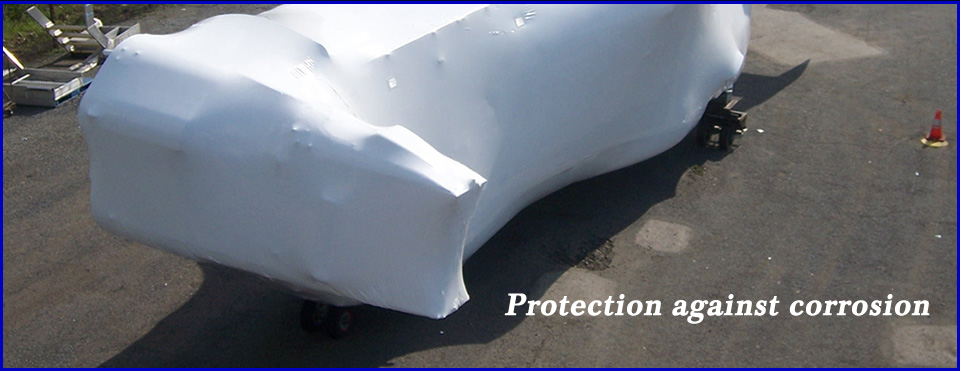
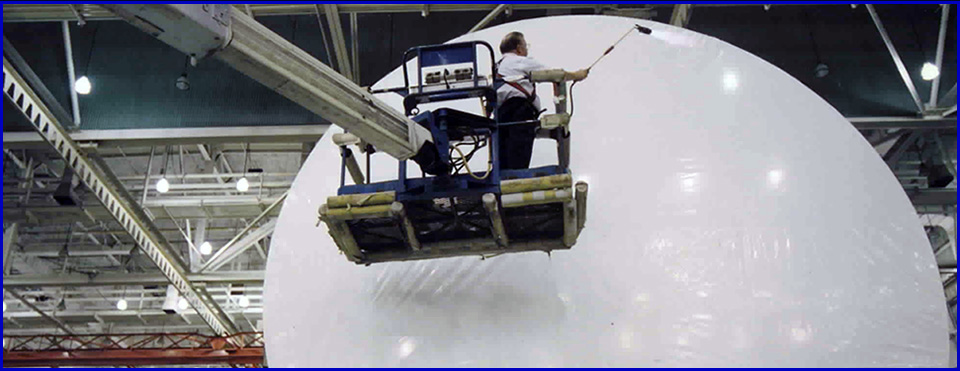
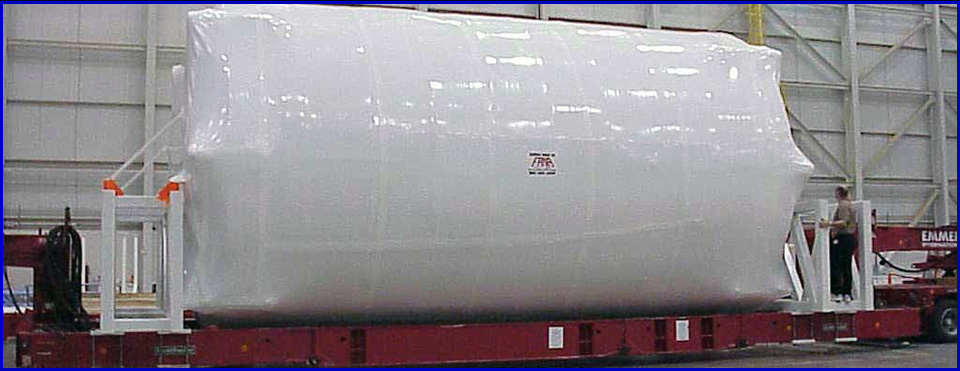
·        ·        Intercept ShrinkfilmTM Co-extruded (white outside/dark brown color inside) for shrinkwrapping any large, irregular sized object – there is no limitation. Comes up to 20 feet wide. http://www.interceptshrinkfilm.com/docs2/brochure.shtml  

·        ·        Armorshield Plus Intercept (AS+I) - fabric-laminated Intercept Shrinkfilm for shrinkable aircraft/equipment covers http://www.interceptshrinkfilm.com/docs2/armorshield2.shtml

·        ·        Bags, Reusable zippered

·        ·        Bags, Static Intercept Foil (SIF) moisture barrier that are heat sealable or zippered for reusability http://www.interceptshrinkfilm.com/docs2/Static.shtml  

·        ·        Bags, Heat sealable layflat

·        ·        Intercept Ink & Coatings http://www.esdjournal.com/archives/press_releases/2002/bux/bux1.htm

·        ·        Laminated plastic board, foam, or cardboard

·        ·        CD cases, with Corrosion Intercept to protect data http://www.omega-intercept.com/cd_protection.html

·        ·        Thermoformed plastic

·        ·        Bags, pallet, Intercept

·        ·        Pallet liners, reusable knockdown

·        ·        Carrying bags with an Intercept liner (for camera, computer) http://www.interceptshrinkfilm.com/docs2/Roadwiredbrochure.pdf or SCUBA, test equipment, weapons, and more.

·        ·        RIBS – Reactive Intercept Barrier System – ultra clean ESD protection http://www.omega-intercept.com/ribs.html

·        ·        Intercept MaxTM – a Corrosion Intercept Ink coated corrugate http://www.interceptshrinkfilm.com/docs2/Lucent.pdf

·        ·        Intercept FabricTM – a laminated outdoor fabric (outdoor type fabric available in any color) for reusable covers

            And the Intercept resin can be made transparent by reducing some of the ESD properties as shown in the below photo.

            Our website www.InterceptShrinkfilm.com lists many of the downloadable Intercept Technology independent testing reports that are available to demonstrate the myriad tests and examples necessary to validate our claims.  I have many more reports available.  And additional reports are available from www.staticintercept.com and www.InterceptTechnology.com.


            Intercept Technology is humidity independent, safe for personnel and equipment, cost-effective, and proven.  Intercept does not have a shelf life, requires no special storage, and requires no personal protective equipment for usage.  It is important to understand a limitation about Intercept Technology.  Intercept Technology cannot protect against liquid water on the part.  Elimination of gaseous contamination is the key to Intercept.  Intercept material must be wrapped over a protected item so that it stays dry, otherwise the Intercept may not prevent all corrosion.  Condensate created by moisture already trapped in the packaging already may contain corrosive ions that can cause corrosion.  Intercept Technology does not deionize this water, which is trapped in the packaging, nor does it deionize water that leaks into the packaging.  However, Intercept Technology will remove the reactive constituents contained within water vapor that passes through the Intercept Technology plasticIn moist environments with steel parts, the use of certain desiccants is highly recommended.  This limitation also is true for low-grade steel containing high contaminant levels of sulfur – the moisture level must be sufficiently low to prevent the sulfur from corroding the steel.


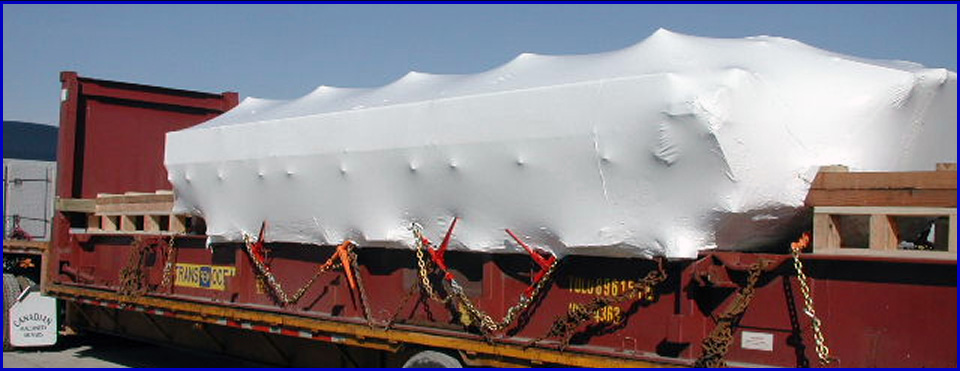
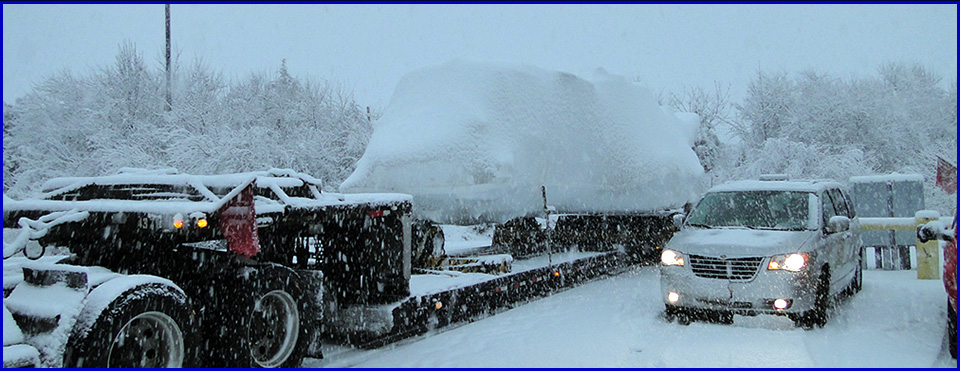
             As an example of the protection capabilities, FPM protected, with Intercept Shrinkfilm, US Army Tank and Automotive Command (TACOM) rough terrain mobile cranes equipment being shipped on LCUs to Kuwait for Iraqi Freedom.  The attached photo was taken by Army personnel upon equipment receipt.  There was no corrosion.

Intercept Shrinkfilm also is being used by the Singapore military for war reserve storage as shown by the below F-16 tri-ejector in a test to show anti-corrosive and anti-mold/mildew protection.

Intercept also has been written into the Army’s warping tug preservation program as the below picture will illustrate the difference between their old and our new technology.

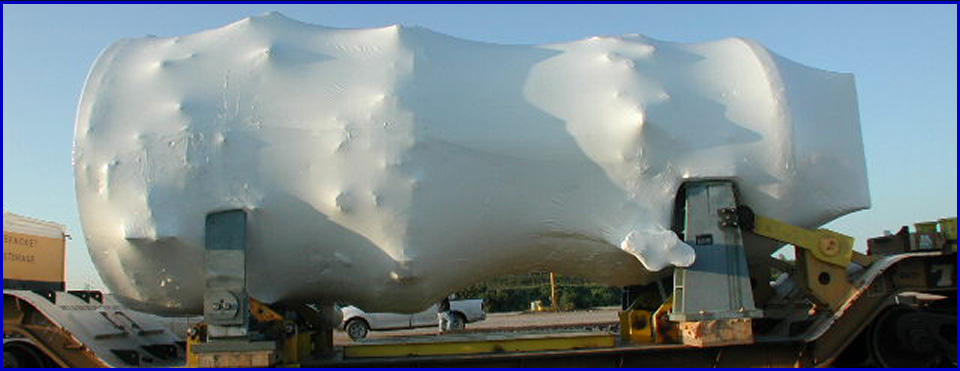
Our overseas representatives are getting a very warm reception in using Intercept for military and commercial projects as shown in this power generator, wrapped in Intercept Shrinkfilm, being shipped overseas.  Note the Intercept layer, which has been folded over the perimeter strap.

The testing Intercept has gone through has been extensive but new applications and new customers continue to test for their specific applications such as Sandvik on their steel MHE rollers in a 2-month outdoor test.


And a prospective customer using an independent laboratory and ASTM B-117 as the testing protocol…  


            For several years TACOM/ARDEC has been testing Intercept Technology for the long-term storage of ammunition and presented at the 8th Annual Government/Industry Shelf-life Symposium, October 29-31, 2002

Kansas City, Missouri. EVALUATION OF INTERCEPT BARRIER MATERIAL FOR MILITARY PACKAGING Presented by: Fred Schuhmann, TACOM-ARDEC Logistics R&D Activity For Samir Sarkar, TACOM-ARDEC, Packaging & Engineering, Support Division, Picatinny Arsenal N.J. 07806-5000.  TACOM also certified Intercept Technology as a cost-effective replacement for MIL-B-131J foil.  Their presentation summary stated “One mil thick INTERCEPT can protect multi-metal components for ten year period against corrosion; less inspection/labor/disposal.  Total cost of a packaging with INTERCEPT can be lowered in specific applications without compromising performance.  Net saving being realized by eliminating additional wrap, associated labor and material cost.”  A more recent Army presentation to the TACOM Corrosion Summit 2003 showed Static Intercept Foil (aka Intercept Poly) significantly outperformed MIL-B-131J foil.  Further, TACOM certified that Intercept Technology was compatible with the explosives tested including TNT, HDX, and RDX.


            Currently, Intercept is used by a number of Fortune 500 companies, the DoD, several national museums for archival protection, national mints for coin storage, Scotland Yard for fingerprint storage, and NASA.  Intercept has been tested by several militaries for storage of their war reserve equipment, vehicles, and aircraft, as well as the US Army and US Navy 


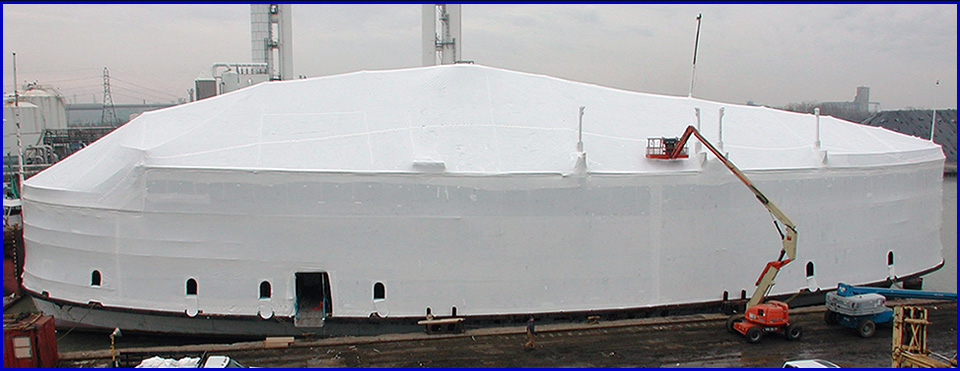
            Where very long-term outdoor storage is desired, the FPM Inc. patented technology, Shrinkwrap Coating System, can prolong the life of heat-shrunk Intercept Shrinkfilm and other shrinkfilm covers outdoors as showed in the attached photo of our just concluded contracts where we used about 86,000 square feet of Intercept Shrinkfilm and our Shrinkwrap Coating System to provide preservation to four Ready Reserve Fleet freighters’ hatches, winches, and control boxes.  The MARAD general contractor, American Ship Management, stated “They loved it so far.  The fleet reps were all walking around with their mouths hanging open and their eyes popping out of their heads.”  Further, the Director of the Maritime Administration Western Division told me that the ships “were the best laid up ships I’ve seen in my years of experience”

.

The patented Shrinkwrap Coating SystemTM (SCS) involves a water-based, elastomeric, acrylic coating that is pressure sprayed onto heat-shrunk shrinkfilm.  It helps block UV light that degrades shrinkfilm and provides additional wind and flying debris resistance.  It can be formulated into nearly any color (even camouflage). Removal of the cover takes mere seconds.  More information on SCS can be found at www.shrinkwrapping.com.


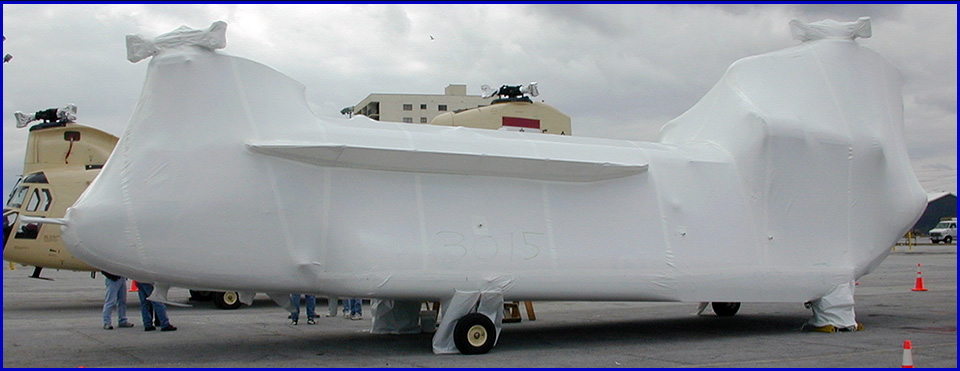
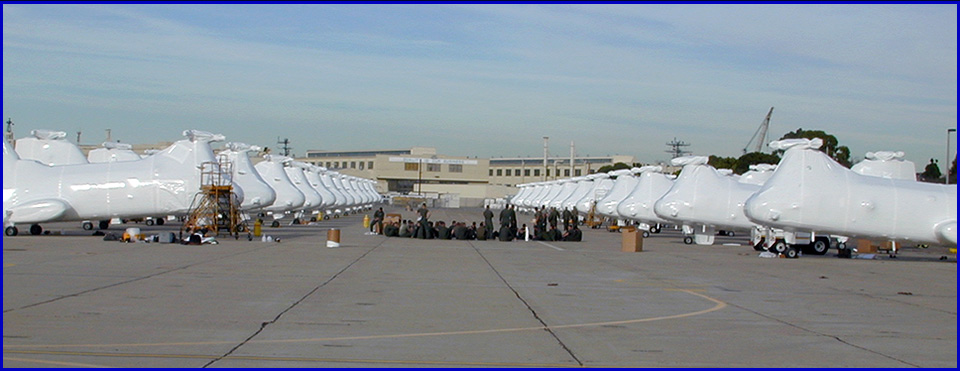
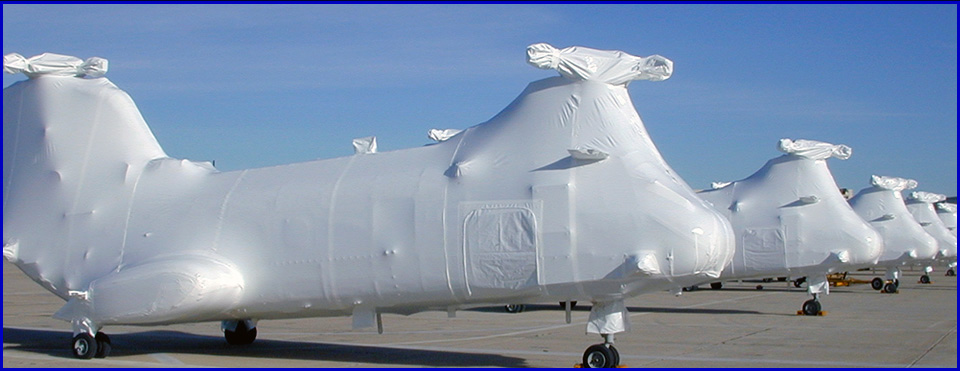
            FPM has other technologies, on its GSA Contract GS-15F-0025M, that it showcases including our custom made fabric-laminated shrinkfilm covers such as are made for the USMC and US Army and easily could be employed by commercial and other military units. These covers incorporate zippered tie-down, lifting point, inspection, and personnel accesses for fast logistics.   FPM now has aircraft covers for CH-47D; CH-46E, CH-53D, CH-53E, AH-1W, and UH-1N models.


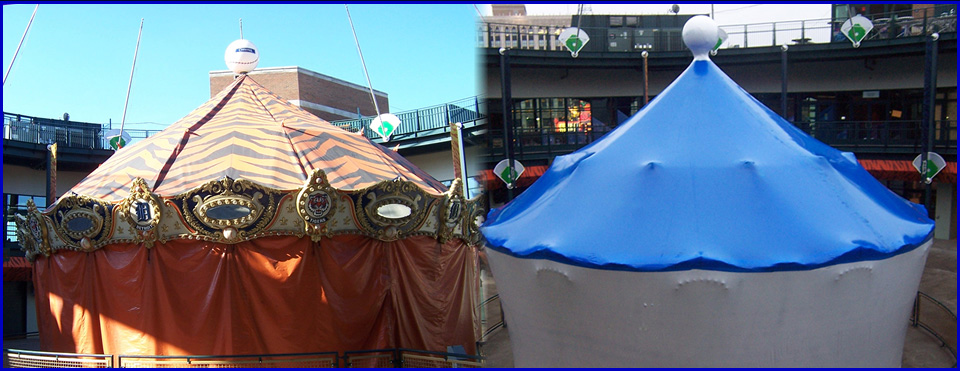
            Shrinkwrapping is perhaps the most flexible packaging system ever developed and is perfect for a maritime environment.  Not only can it be used to protect a part of or the whole components, it can be used to create shelters as demonstrated in the attached photos from our Australian representatives Under-Raps Ltd. http://www.underraps.com.au and ICC (Intercept Corrosion Control) http://www.interceptaustralia.com.


Using a storage shelter concept, where the walls, ceiling, and floors are made from Intercept Shrinkfilm, an anti-corrosive shelter can be made where vehicles or inadequately packaged items can be protected from the elements.  Such shelters also provide a better environment for 24/7/365 work.

            An additional Intercept Technology product we developed is Intercept FabricTM, a proven out-door fabric laminated to Intercept plastic.  With this new material we are making reusable winch covers for US Army tugs

and a prototype vehicle storage cocoon for Special Operations Forces vehicles.


The potential is much more.


            FPM Inc. is the ISO 9001:2000/14001 US service disabled, veteran-owned, small business, that invented aircraft shrinkwrapping (under its FANA Division) and boat shrinkwrapping (under its Protect-A-Boat Division).  FPM Inc. is a founding member of the Intercept Technology Group (ITG) www.InterceptTechnology.com and the ITG actively presents at various military and commercial corrosion, electronics, and packaging conferences such as NIPHLE, DoD Shelf-Life Symposiums, commercial/military Corrosion Conferences, the Defense Packaging Policy Group (DPPG) and more.  If you would like the ITG to present at your conference or would like more information, or have comments about the information presented in this website, please contact me at InterceptInfo@gmail.com.  


Sincerely,


Randy Dutton

VP FPM Inc.

Tel: 360-249-5833 P.S.T. or through FPM Inc. 800-222-4449 E.S.T.